13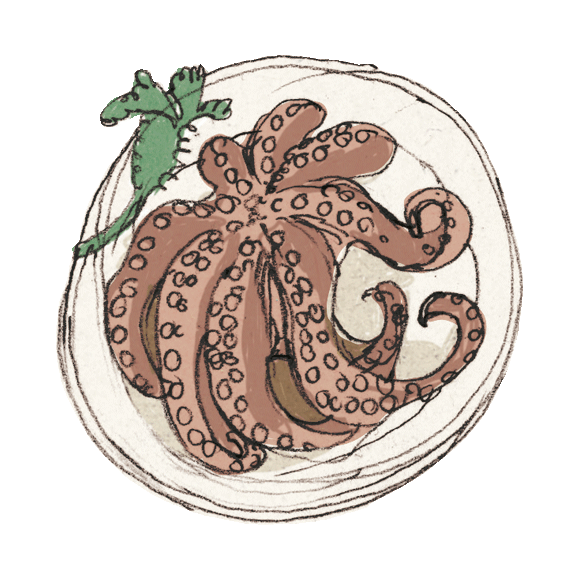
For even a pilgrim’s stomach can handle a good meal
Anyone setting out on a pilgrimage to Compostela today need not worry about their physical well-being. The hostel system is well developed, even the smaller towns along the way offer local cuisine, and every pilgrim guide has culinary recommendations to suit every budget and taste. Pilgrims in earlier centuries also had to take care of their well-being if they wanted to make it all the way to Compostela. The guidebook from Codex Calixtinus warned of evil innkeepers, bad cooks, and thieving maids, after first advising pilgrims not to take any money with them, only as much as would fit in their pilgrim’s bag. So where did they get their food?
First of all, there were monasteries along the Camino where pilgrims could find straw mattresses and food. Pretty soon, hostels and hospices sprang up, specifically geared towards the care of pilgrims. Even distinguished ones with horses and entourages could stay here and order something better than bread soup. Account books of high-ranking pilgrims to Jerusalem give an idea of the standard of living when the infrastructure was in place. Companions of the Saxon Duke Henry the Pious recorded with his secretary that their lord had feasted his way along the Camino de Santiago in 1506, although there is no doubt about his deep piety.
Unfortunately, we have no information on the extent to which German pilgrims indulged in the delicious seafood that is available today in Galicia’s popular Pulperías. Pulpo a feira, cooked octopus arms cut into pieces, drizzled with olive oil and sprinkled with sweet paprika powder, may not have been to everyone’s taste back then. At the end of the Camino, delicious round Santiago cakes, baked with only sugar, eggs, and ground almonds, provided consolation for the hardships of the journey. Sprinkled with powdered sugar, they are only authentic, when leaving a brown Santiago cross in the middle.